
Slavic Languages
From Polish and Czech in the west to Russian and Ukrainian in the east, Bulgarian in the south — the Slavic family is Europe's largest language group. How much do its speakers still understand each other?

Episodes 12/47 episodes


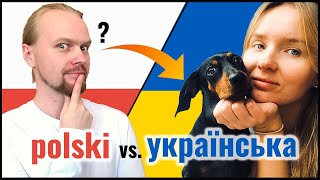
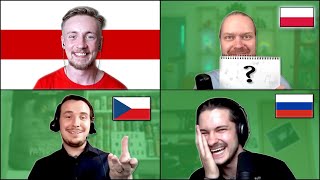
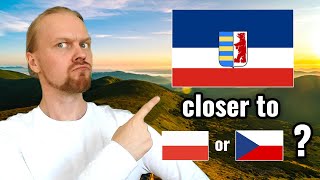


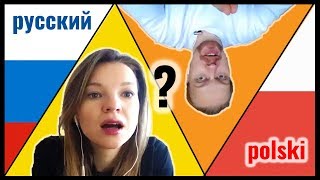

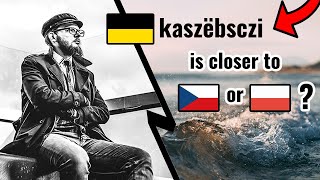

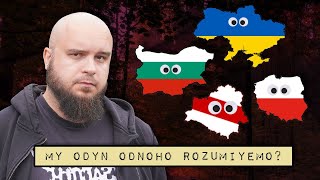
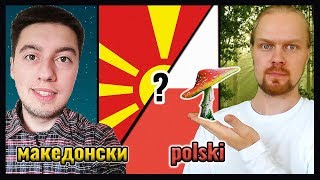





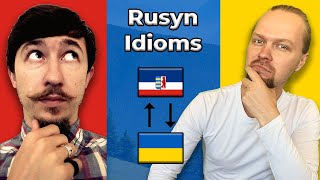
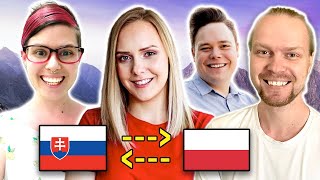


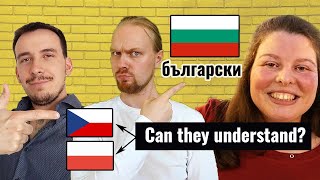
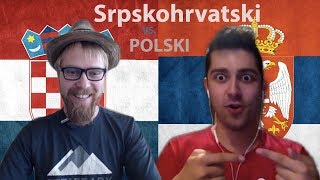



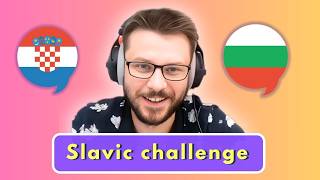










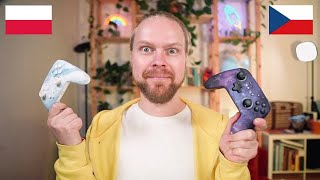


The Slavic languages — one ancestor, many voices
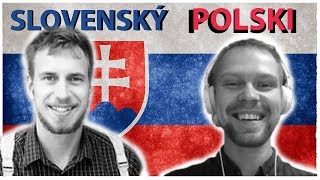
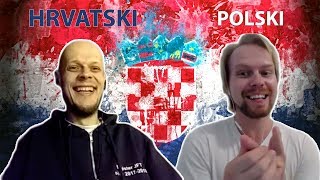
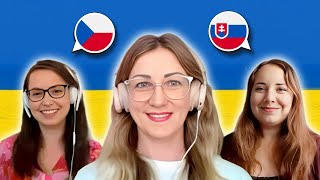
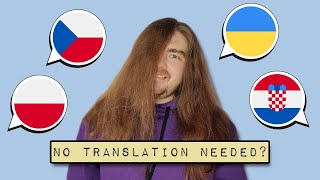
All Slavic languages descend from Proto-Slavic, spoken roughly until the 6th–8th century AD. As the Slavic peoples spread across Europe, the language split into three branches: West (Polish, Czech, Slovak), East (Russian, Ukrainian, Belarusian) and South (Bulgarian, Serbian, Croatian, Slovenian, Macedonian).
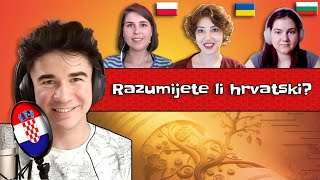
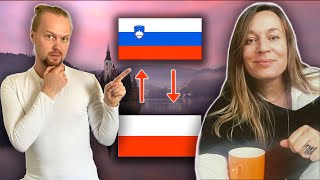
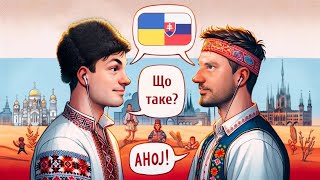
Despite over a thousand years of separate evolution, the family connection is still audible. A Polish speaker can often grasp the gist of Ukrainian or Czech conversation. A Russian speaker will find Bulgarian vocabulary surprisingly familiar — yet the grammar has diverged in unexpected directions.
Norbert has been testing these connections since 2016, inviting native speakers from across the Slavic world to talk to each other in their own languages and see how far they get.